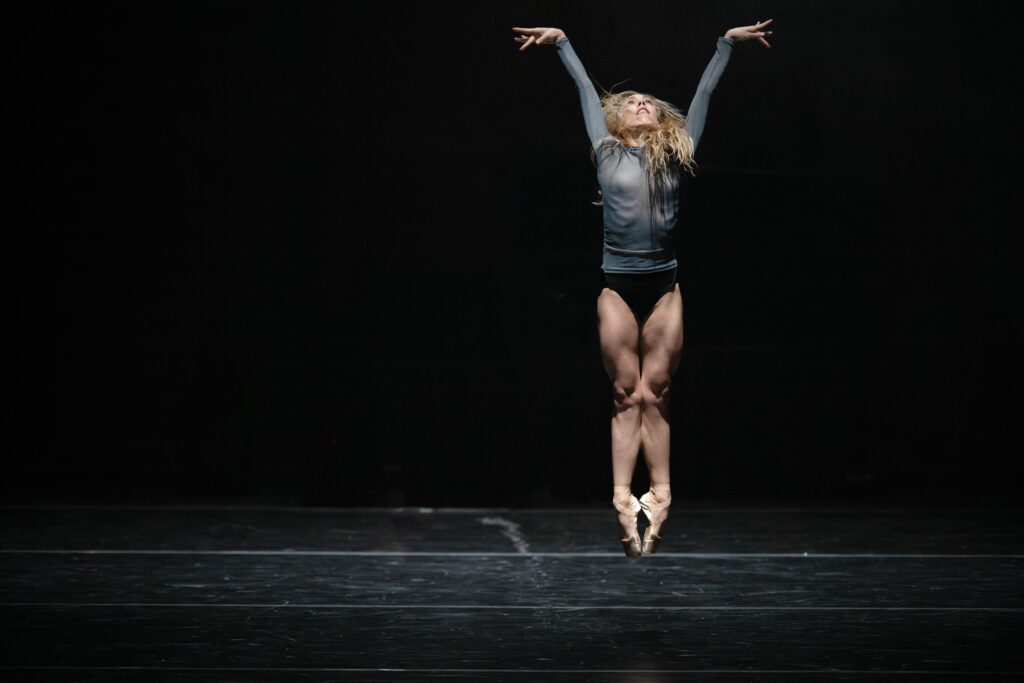
Dancing With Asthma

Asthma has always been part of life for competitive Irish dancer Mia Fritsch-Anderson. But it’s been a process for her to learn to manage the condition. “When I was little, I was in the hospital almost six times every winter. It was very serious,” she says. Now, Fritsch-Anderson says the condition does not inhibit the things she can achieve. “I’m in the dance studio six days a week—it’s definitely possible to be an athlete with asthma.”
Asthma is a manageable condition, and it doesn’t have to stop you from dancing. By properly combining medication and preparation, asthmatic dancers can look forward to a long and healthy career.
What Is Asthma?
Dr. Megan Meier, a primary care sports-medicine doctor and former dancer who is medical director for Oklahoma City Ballet, explains that asthma is a chronic condition characterized by tightening and spasming of the bronchial tubes, which carry air from the throat to the lungs. While there are different triggers for the condition, Meier says that 90 percent or more of asthmatics experience it with intense exercise, which comes with the territory in most dance careers. Constance Devernay-Laurence, a freelance ballet dancer who has asthma, says she’s aware of anything that elevates her heart rate: “I keep my asthma pump backstage, always, in my bag.”
Asthma can also flare up due to factors like cold weather, allergens, or illness. Devernay-Laurence says she has to be more aware in dusty theaters, around animals, and when she’s part of a production that uses dry ice. Heavy perfume can also be a trigger.

Treatment and Coping
Meier says that asthma is acutely treated with albuterol, a medication usually administered via inhaler. Albuterol holds the bronchial tubes open during and after the onset of asthma symptoms, which typically occurs during the first 5 to 10 minutes of exercise or trigger exposure. Some dancers may need to use an inhaler before every class, rehearsal, or performance as a preventive measure.
In addition to having medication readily available, Meier says that dancers with asthma can use preparatory techniques, like staying hydrated and doing a warm-up that slowly builds in cardiovascular intensity, to ease their body into more taxing activity. Coordinating breath with movement can also help combat a dancer’s instinct to hold their breath during a particularly difficult phrase or section of choreography, and also helps get a good, deep diaphragmatic breath, rather than a shallower one. Devernay-Laurence suggests yoga as a tool: “It’s really helped me learn how to use my breath when I’m dancing.”

For dancers who suspect they have asthma but haven’t been diagnosed, Meier emphasizes the importance of seeing a doctor to know for sure. Asthma symptoms can have other causes, and while some are more worrisome than others, they should all be taken seriously. Because asthma can present differently between individuals, and triggers can vary, it’s vital to establish a care regimen that works for you. “The most important thing you can do is work with your doctor,” Fritsch-Anderson says. “The reason I’m able to dance every day is because I have a very set plan with my doctor to control my asthma, so it’s something that I don’t have to worry about on a daily basis.”
Stronger Than Ever
Both Devernay-Laurence and Fritsch-Anderson advise dancers with asthma to avoid comparison traps. “Work within your own body and what you can and can’t do,” Devernay-Laurence says. It can be helpful to inform your teachers, director, or fellow dancers about your asthma so they can be prepared to help and support you. Devernay-Laurence says her colleagues are aware of her condition, and that they look out for her and help reduce the presence of asthma triggers in the studio and theater. They also know not to panic—and bring her inhaler to her, if necessary—in the event of an asthma attack.
When properly managed, asthma doesn’t have to inhibit a dance career. Fritsch-Anderson recently traveled to compete in the Irish Dance World Championships in Dublin, and she founded an asthma-focused nonprofit, Choose to Breathe, which aims to fight stigma and raise inhaler compliance. Devernay-Laurence, who spent 15 years with Scottish Ballet and appears in the recent ballet-focused streaming series, “Étoile,” recently joined London City Ballet for its 2025 season. “I’m an ambitious person,” she says. “I wanted to dance more roles, so I said, ‘I’m not going to let asthma stop me.’ ”