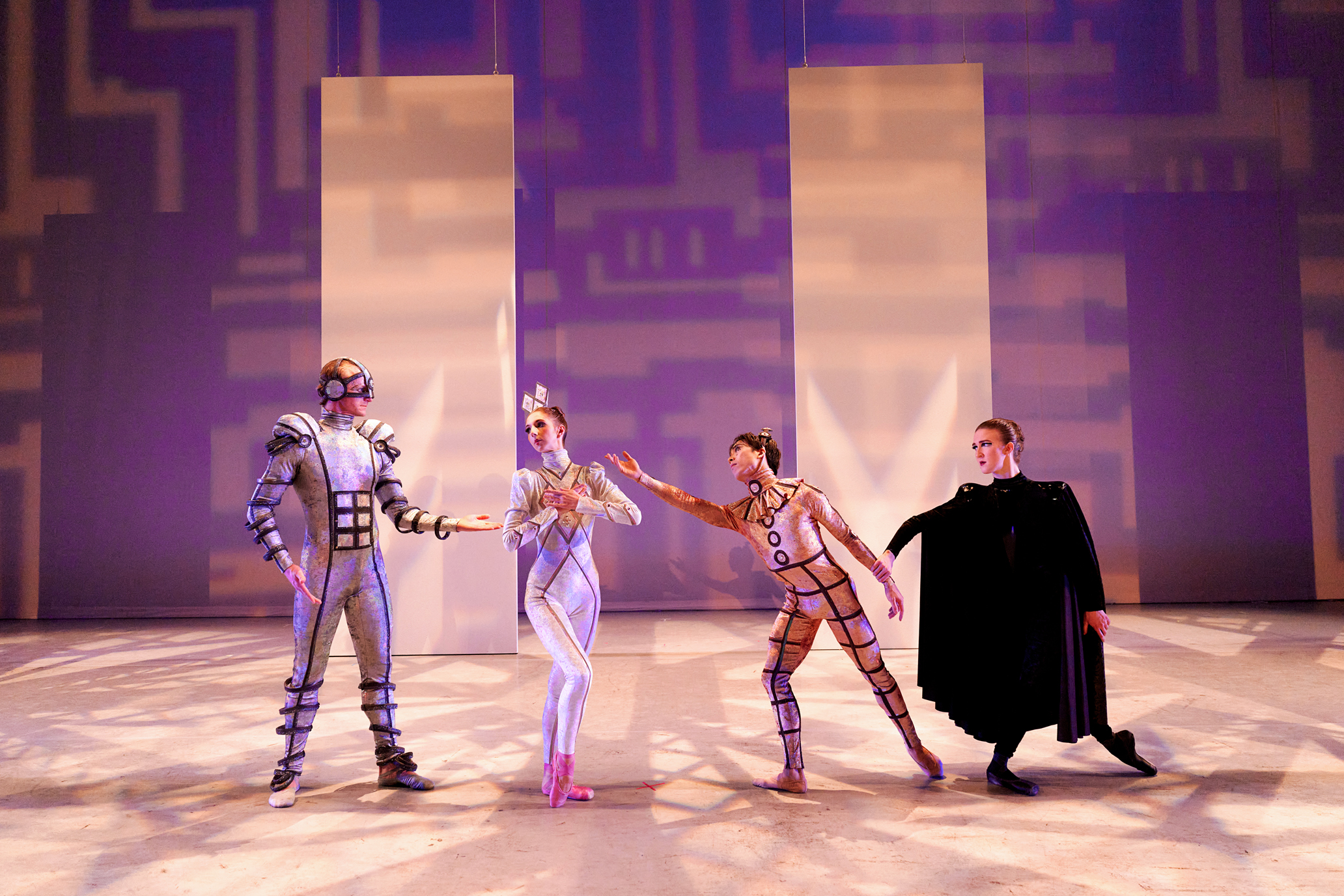
Three ballet dancers onstage dressed as robots, and one as their master. The robots wear silver and gold shiny bodysuits with head pieces. The master wears all black with a large cape.

How Choreographers Are Making Works That Imagine the Implications of Artificial Intelligence

As AI technologies proliferate and become an increasingly inescapable fact of modern life, choreographers are not only experimenting with AI tools, but they’re also creating works that grapple with the potential repercussions of artificial intelligence and the existential questions it raises. “That’s what artists do,” says Lise Friedman, adjunct professor at New York University and co-organizer of a 2025 symposium on dance and technology. “Artists are always interested in looking around the corner.”

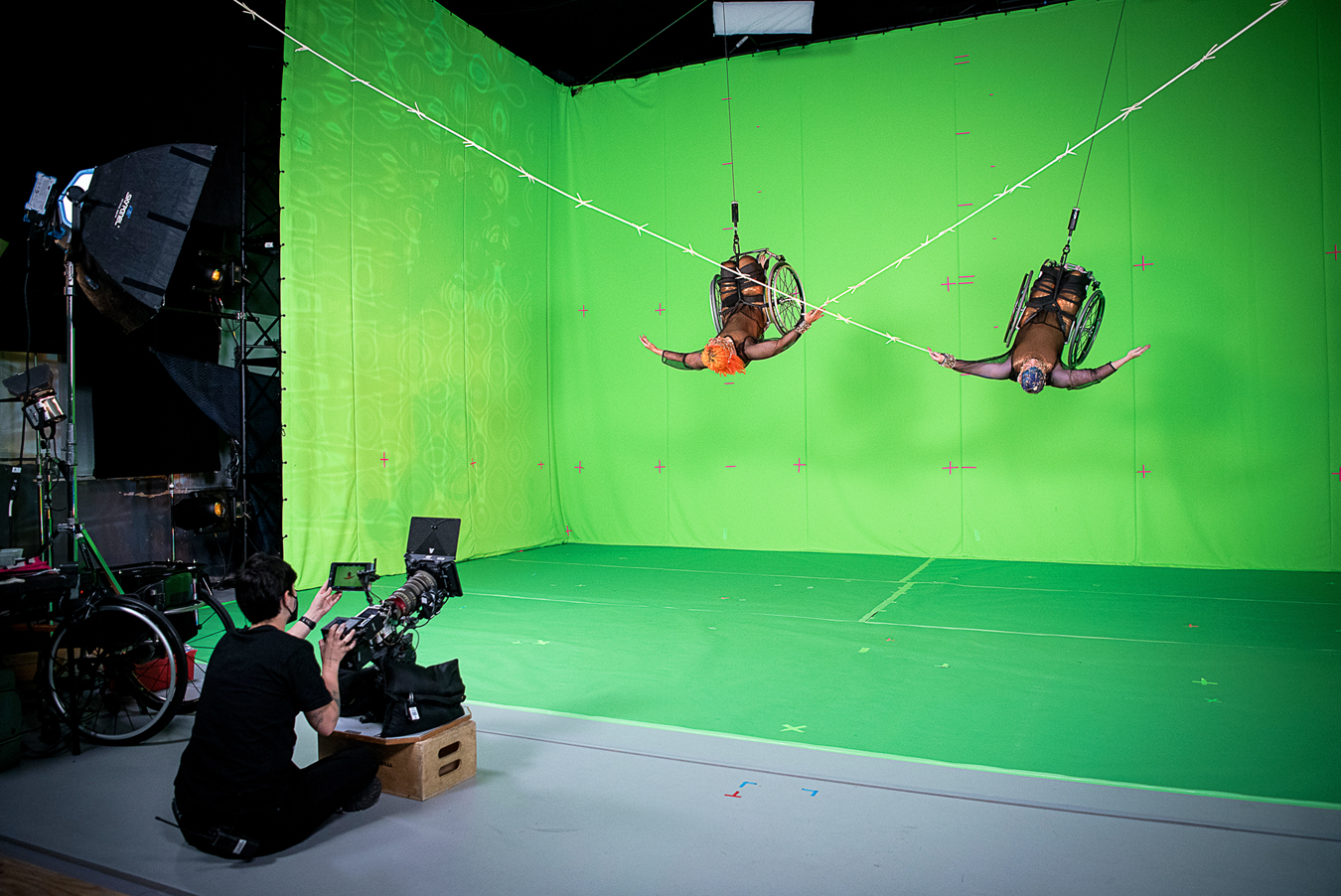
Sheppard and Lawson soar in their wheelchairs against a bright green screen and floor, each holding on to a white barbed wire prop in the shape of a huge X. They are both upside down, faces tipped and arms curved toward the ceiling. Lauren Mendoza sits on the floor in the foreground, with a large camera propped up on a wooden box, filming the dancers from below. Alice is a multiracial Black woman with short bright orange curly hair and coffee-colored skin; Laurel is a white person with pale skin and cropped peacock blue hair. They wear copper bodysuits overlaid with black mesh.

The Intersections of Dance and Virtual Reality

Kinetic Light’s territory, which premiered this summer, uses technology to place each audience member right in the center of the action: The 11-minute piece is designed for and created in virtual reality. Its digital environment features an otherworldly mountain range, a swirling sky, and, at times, metal and barbed-wire structures, which form the set for […]

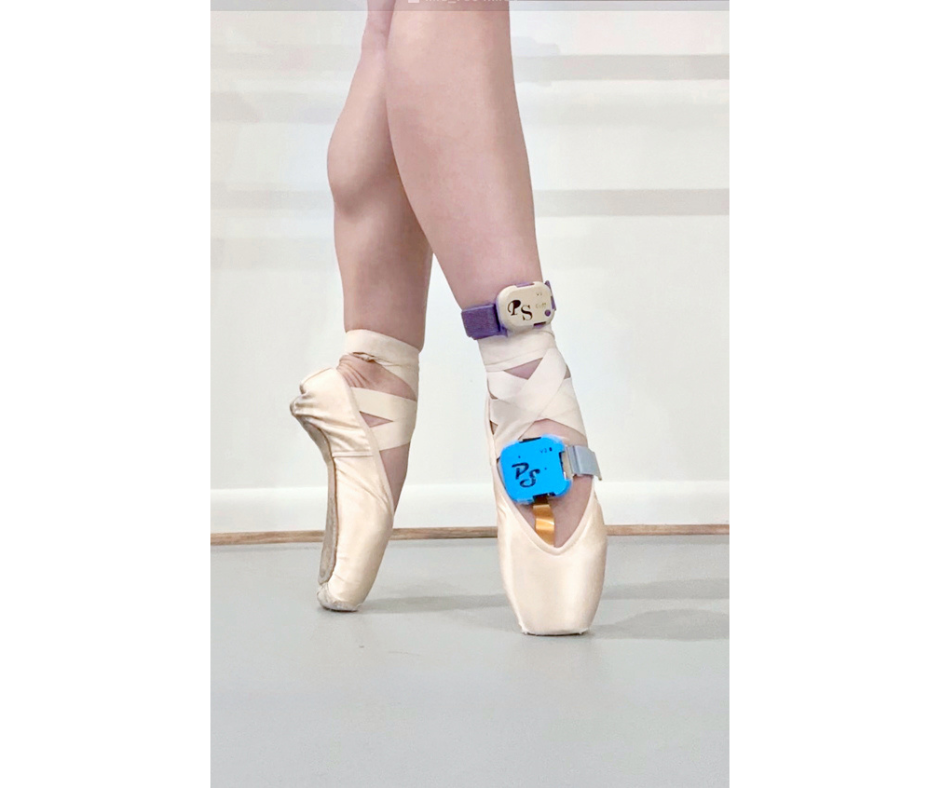
A close-up of a dancer's lower legs posed on pointe in a tight fourth position. The dancer wears a PointeSense biosensor on their right foot.

How Biosensors Could Change Dance Medicine

Nowadays, it’s easier than ever to access personal health data with the Apple Watch, Oura Ring, and other biosensor-based products. In the field of dance medicine, researchers are also using this technology to better under­stand the dancing body. Kaitlyn Kumar, a dancer and a master’s student in robotics at Johns Hopkins University, says that while […]

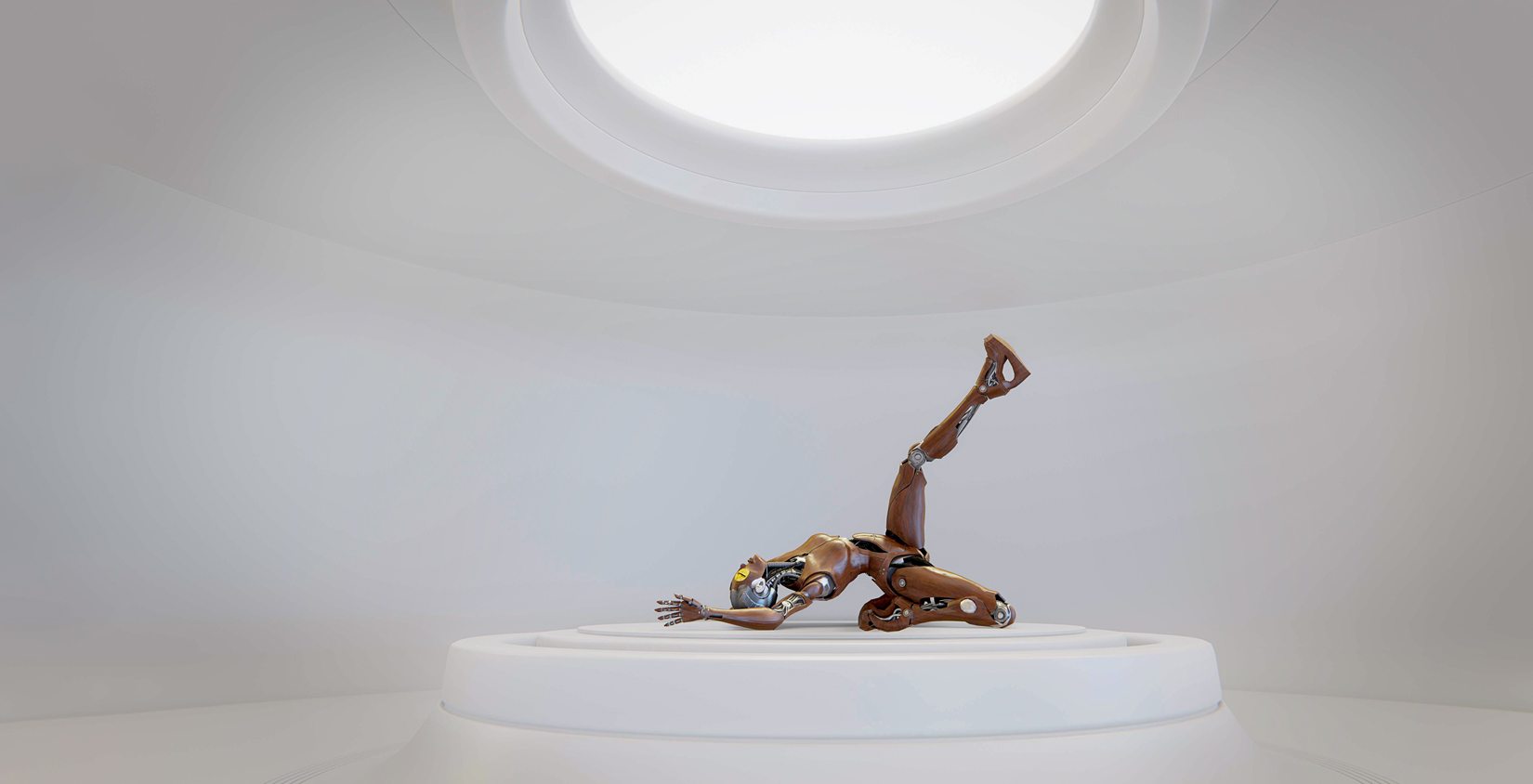
A robot dancing on a raised platform in a stark white room. the robot

How Recent Innovations in AI-Assisted Motion-Capture Technology Might Impact Dance Artists

Motion capture has been a staple of film, TV, and gaming for multiple decades. And dancers, as expert movers, are often involved in the recording process. But, recently, artificial intelligence has led to advances in performance-capture and animation technology, making it simpler to record, analyze, and digitally re-create a person’s movements. (Those clunky sensors might soon be a thing of the past.) While these changes have the potential to streamline the motion-capture process, they also introduce new questions about the future of artistic production—and dance artists’ role in it.

Julie Cruse's headshot.

How Have Computer Applications Changed the Way We Make Dance?

I was one of the pioneers of what I call “computational choreography”—dance made with the assistance of computers. In 2007, I created and performed my work Choreobot with VICKi (Virtual Interactive Choreographic/Kinetic instructor), software that I coded to generate choreography, live. My experiences in this constantly evolving field give me a unique perspective on both […]

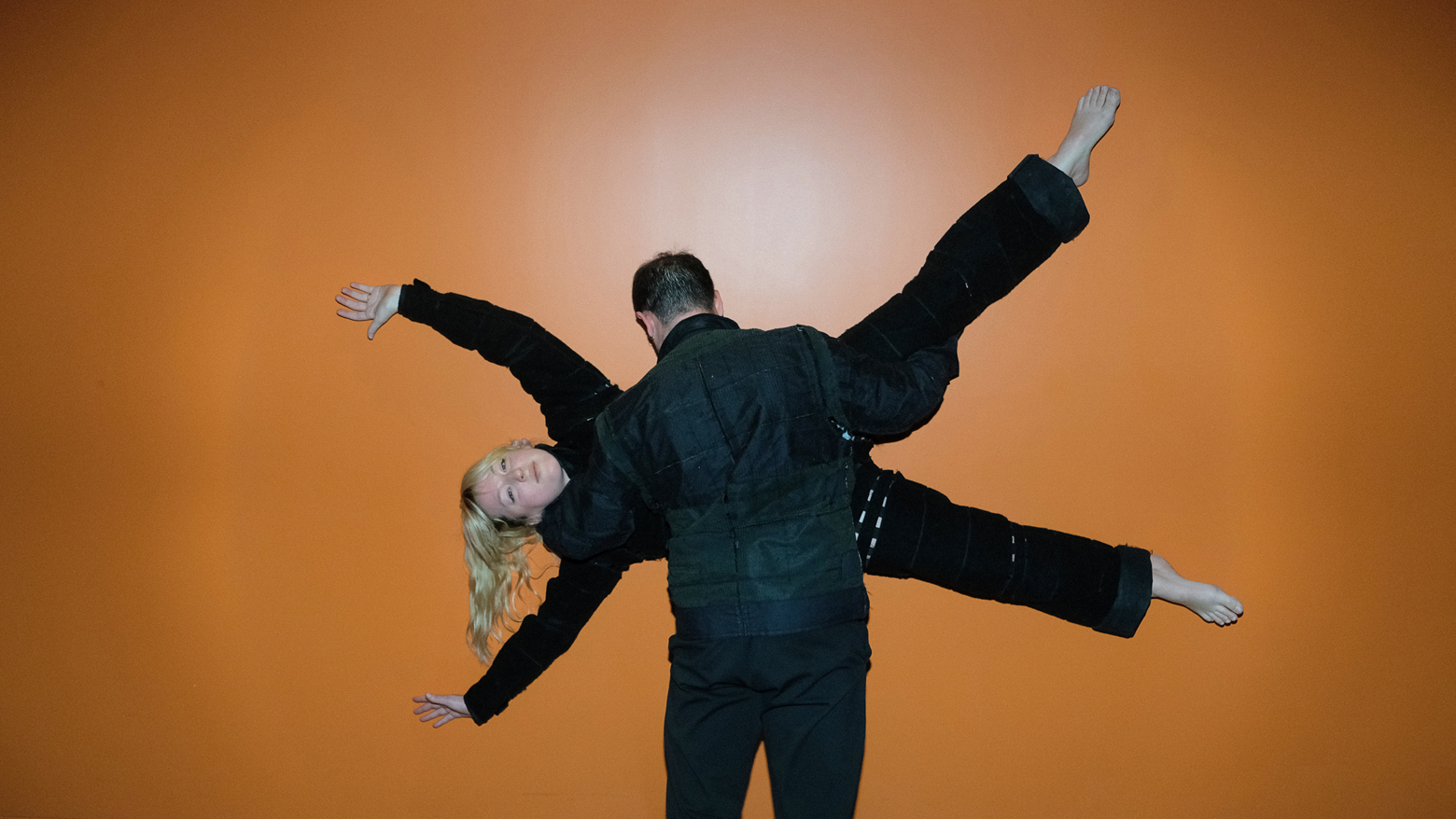
Two dancers partnering together while wearing Velcro-covered suits. One dancer is horizontal with their arms and legs extended out while the other supports them with arms wrapped around.

How Artists Are Exploring the Possibilities and Implications of Dance in Space

“Dance in zero gravity completely transforms how we think about choreography and performance,” says Sydney Skybetter, the founder of the Conference for Research on Choreographic Interfaces and director of the Brown Arts Institute at Brown University. “When you remove the floor, which is the fundamental organizing principle of terrestrial dance, bodies become three-dimensional sculptures moving through space multi-axially.” And whether dance artists are exploring movement in microgravity theoretically or literally, the relationship between dance and space brings up myriad questions—creative, logistical, and ethical.

Subscribe To Our Newsletter

Join our mailing list to receive the latest news and updates from our team.

Sign up for any or all of these newsletters

You have Successfully Subscribed!