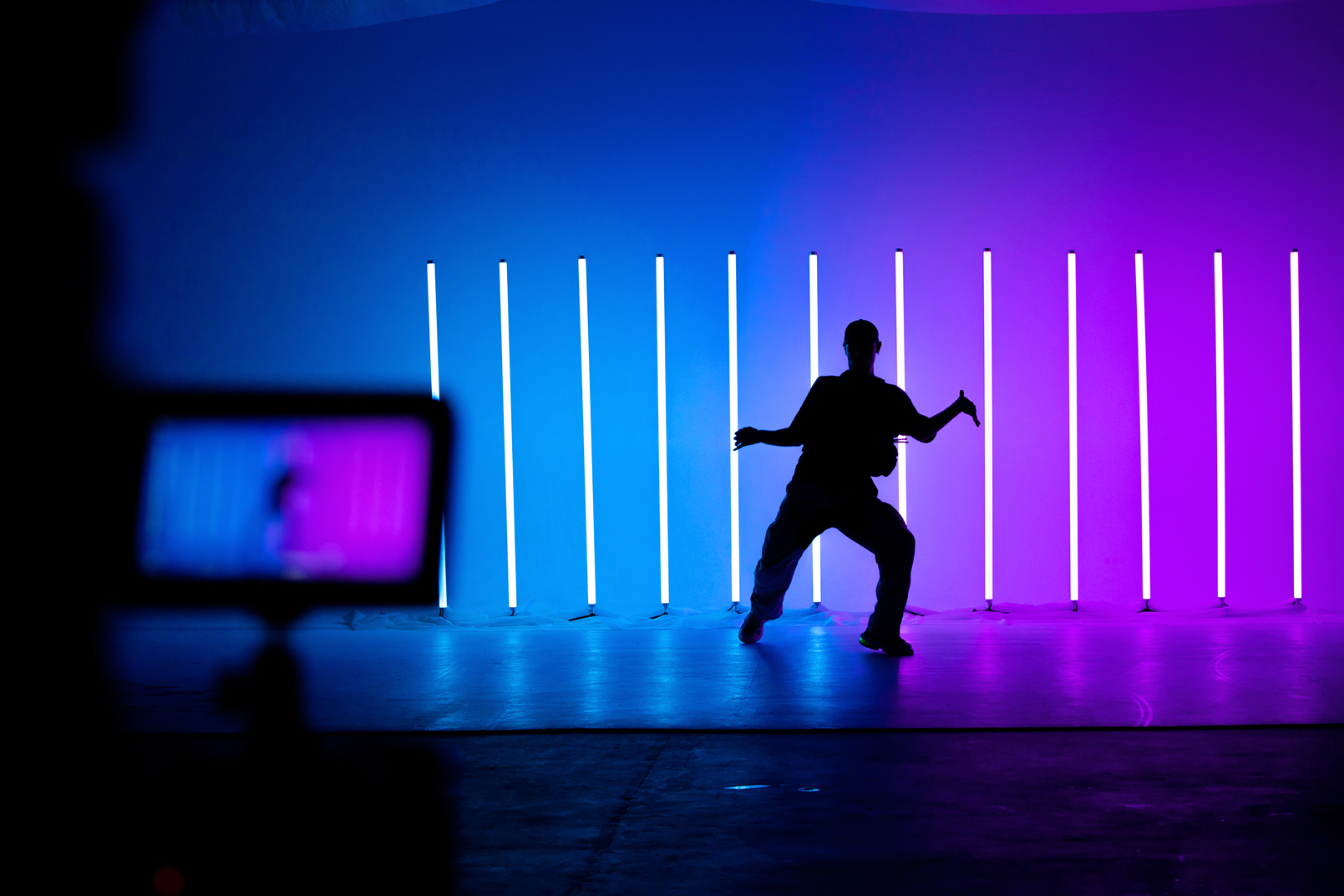
What’s Behind the Recent Wave of Dancing in Advertisements?

Pedro Pascal is forlorn—until he begins to see a vision of himself in a brighter future, set to the upbeat song “Perfect,” by Sam i. Suddenly, he’s swiveling his hips and doing chest thrusts; passers-by become his backup dancers, joining him for a playful, colorful dream sequence choreographed by Tanisha Scott. The five-and-a-half-minute, Spike Jonze–directed clip has the feel of a short dance film. But it’s actually a commercial for Apple’s AirPods 4.
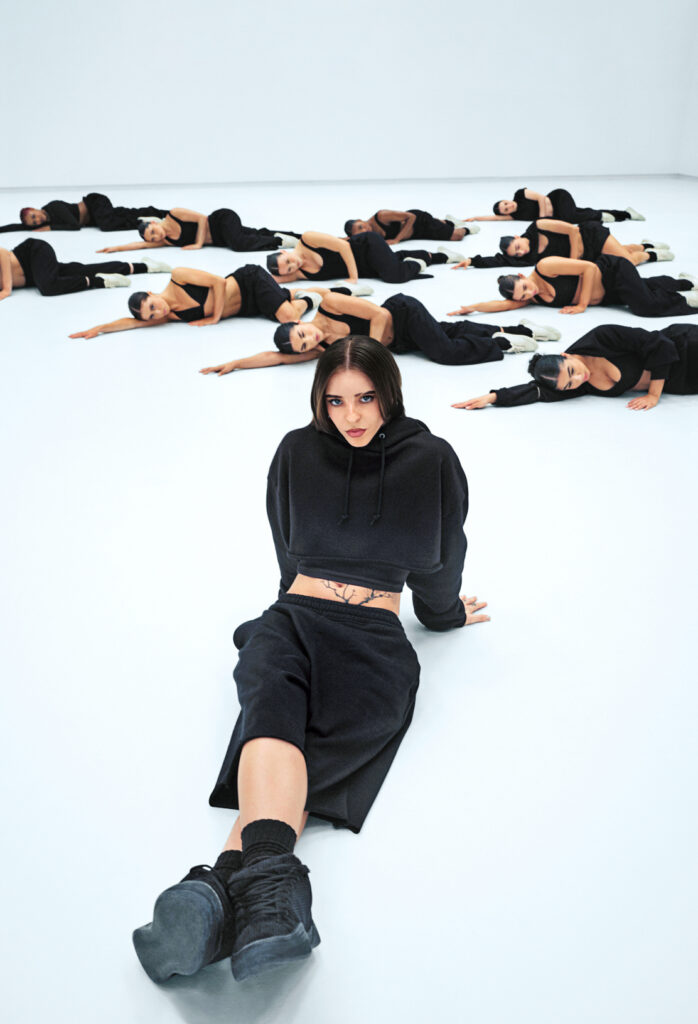
Dance-heavy ads like this one are having a moment. Gap has aired a series of dance-driven commercials over the past few years—including its recent spot, which starred Puerto Rican rapper Young Miko and featured 26 dancers performing Zoï Tatopoulos’ twisty choreography. Last year, DoorDash Canada ran one campaign featuring the beguilingly wacky movement of Ryan Heffington, and another with soulful stepping by Chris Grant. The past two Super Bowl ad lineups had big dance highlights: Channing Tatum pulled off a Magic Mike–style number for STōK Cold Brew in 2025, and Svedka Vodka had an AI-generated dancing robot perform the choreography of a TikTok-competition winner this year.
Dance is by no means a new shtick for advertisers. It’s been used in television commercials as far back as 1948, when Lucky Strike ran a stop-motion animation featuring cigarettes doing a square dance. Fast-forward to more recent history: Dancing Gap ads were a staple of the 1990s and early 2000s. In the 2010s, Under Armour tapped Misty Copeland, while Rag & Bone spotlighted Kyle Abraham and Lexus featured Tamara Rojo.
“It comes in waves,” says Colleen Dunagan, PhD, author of the book Consuming Dance: Choreography and Advertising. She says we’ve been surfing a new version of one of those waves since about 2019, around the time that that everyday Americans—younger generations, in particular—got used seeing dance on their screens, thanks to social media. Add in a pandemic, political upheaval, and a series of wars, and dance has become a way for brands to give potential customers an escape from their extra-heavy reality. As Scott Foreman, chief executive officer of the Seattle-based advertising agency Copacino Fujikado, puts it, “Dance is something that makes people happy”—an emotion nearly any company would want associated with their product.
Why Dance Sells
In an advertising context, where the goal is to quickly get and then hold the viewer’s attention, energetic movement is a straightforward strategy. Dance’s graphic elements immediately catch the eye, and they can make that gaze linger, Dunagan says. Dance also affects us on a different level than listening to people talk. “Witnessing dance asks you to experience it in your body—even if it’s not something you could ever do yourself, we have a kinesthetic response,” says Pamela Krayenbuhl, associate professor of film and media studies at the University of Washington, Tacoma. That reaction can make a campaign “stick” a little more, similar to a catchy jingle.
Dance can also communicate efficiently—another invaluable quality in an era of short attention spans. “Dance works so well in a short-form format because it has the ability to express so much in such a brief period of time,” Krayenbuhl says.
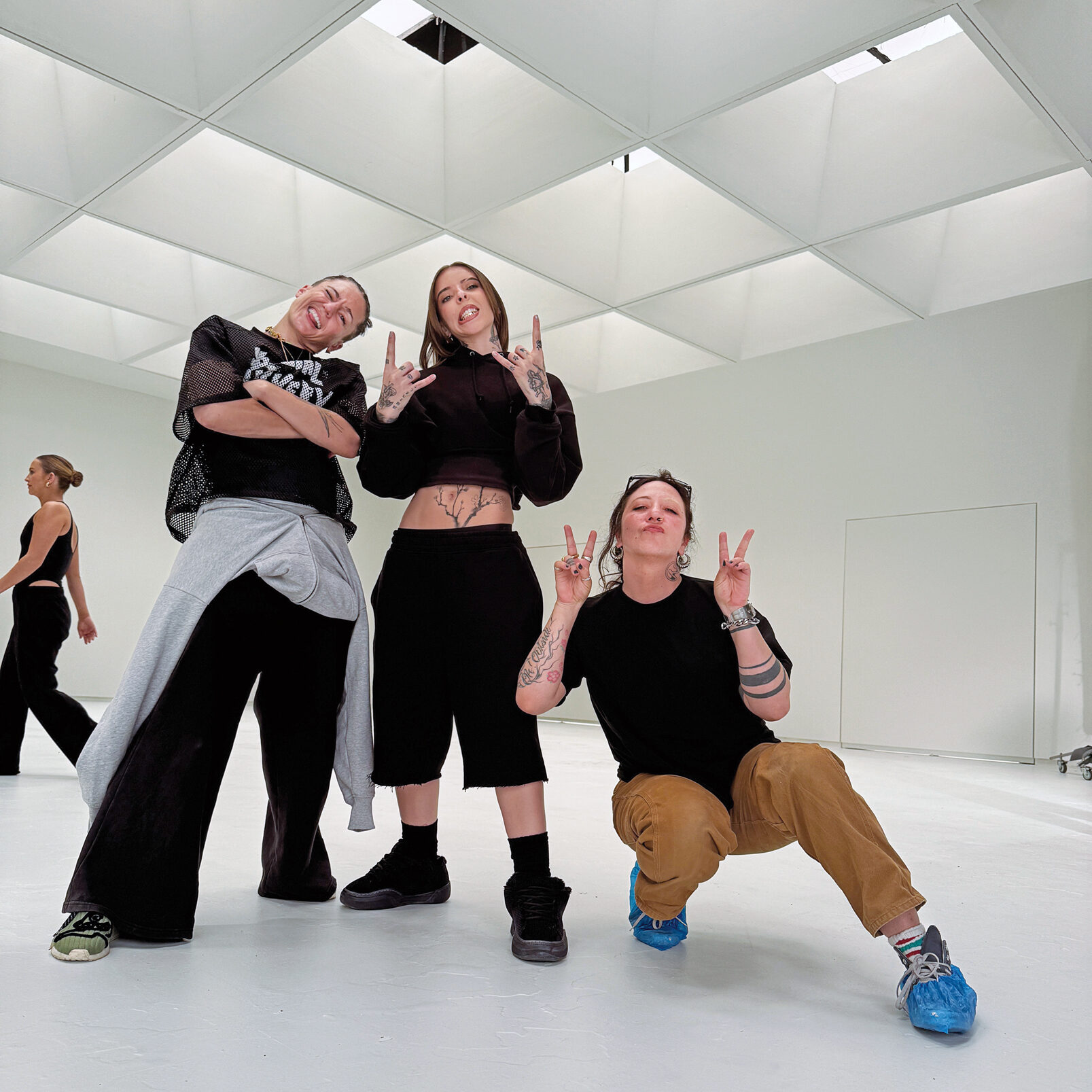
Take Gap’s Young Miko ad. Right away, the choreography shows off the flexibility of the sweats worn by the rapper and the ad’s dancers. Having Young Miko move with hip-hop swagger as the rest of the cast slithers through contemporary phrases also lends the old-school clothing company a Gen Z vibe. “The client was very particular about having all these dancers with different backgrounds—they wanted to make it feel like these sweats are meant to be worn however you want to wear them, however you want to move in them, how you want to style them,” says breaker Randi “Rascal” Freitas, who was the movement director for Young Miko on the ad.
The Social Media Effect
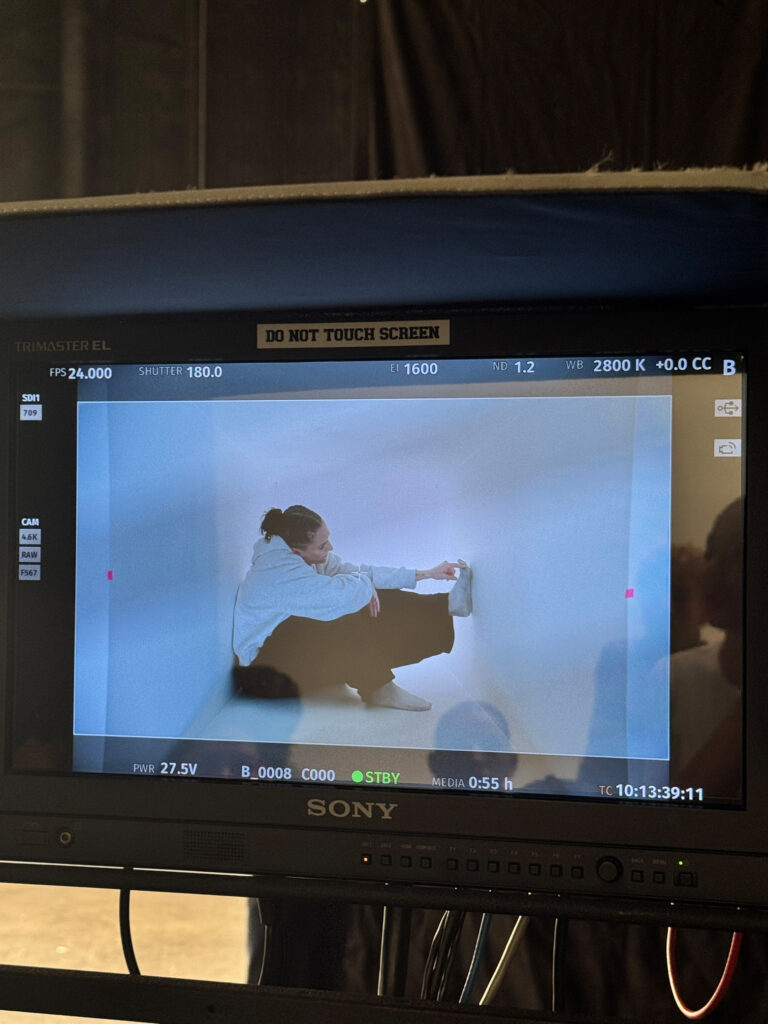
Within ad agencies, dance can sometimes be seen as a bit of a cop-out, Foreman says. “When you don’t have an idea, just dance, right?” he says. But in many commercials today, rather than a fallback, the dancing is the idea. Gap’s recent ads virtually double as music videos. Others, like Apple’s spot with Pascal or DoorDash Canada’s ad choreographed by Heffington, take a more cinematic approach.
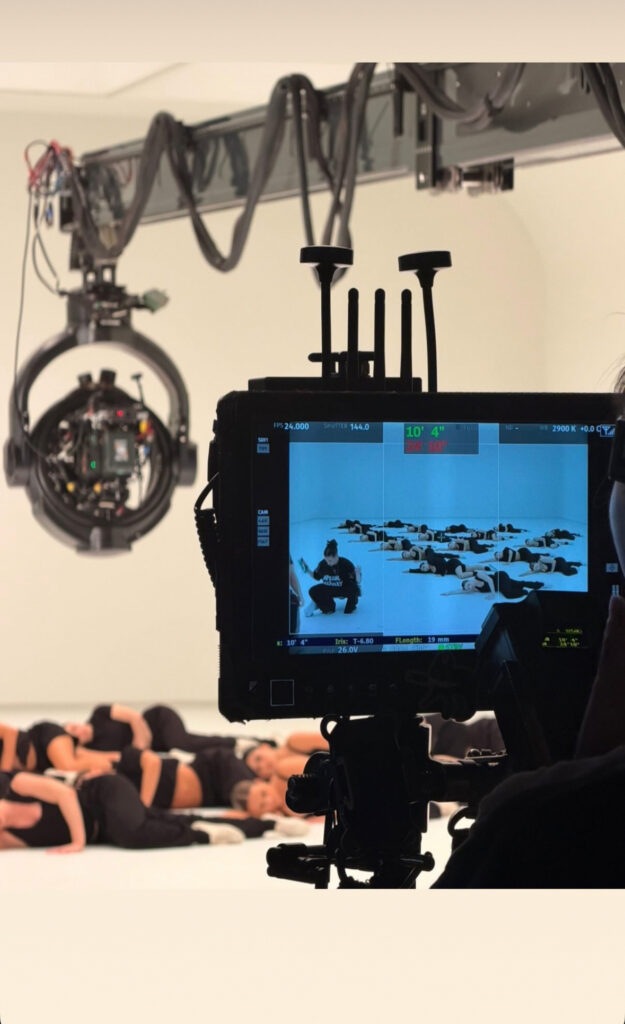
Dunagan credits the ever-growing influence of social media for this shift. “A lot of emerging commercial choreographers started creating choreography and posting it on YouTube to get a foot in the door—basically making screen dance,” Dunagan says. Nondance audiences started coming across snippets of these films on Instagram, or watching the entire videos on YouTube, and then brands like Gap embraced the approach’s viral potential.
In some ways, today’s commercials are a reflection of social media; in others, they’re a reaction to it. Krayenbuhl points out that recent ads have a strong TikTok-style focus on precise upper-body movements and choreographed facial expressions. But at the same time, in an era when we’re constantly seeing videos of an individual dancer or two show up on our For You Page, viewers seem hungry for unison movement: Commercials featuring a massive ensemble moving in sync are often the ones that get the most buzz. “It’s like ASMR videos—seeing a group of such different people hitting the same move together is just as satisfying as a blackhead-pimple–popping video,” says Robbie Blue, who choreographed Gap’s fall 2025 ad with the buzzy girl group KATSEYE. “It just reduces your stress levels. And I think the world is loving that type of thing right now.”
Representation Matters
This trend of showcasing large ensembles also highlights another shift: Using a diverse group of dancers has now become standard practice. Blue says that in every recent job he’s taken, representation has been a requirement, both on screen and off. “We’re broadening who we see in commercials and how we see people represented,” Freitas says. “We’re seeing a wider range of everything from ethnicity and race to gender expression to sexuality to size.”
Dunagan points out that this makes smart business sense. “The thing about advertising is that it’s seeking out its audiences—it’s recognizing that shift in demographics and then working to capture the demographic,” she says. Still, there’s room to improve. Large-bodied dancers remain the exception, and disabled dancers are rarely seen.
Although Foreman was once a cynic when it came to using dance in commercials, he says he’s now a convert—because he has seen how dance can help an ad break through. That’s why he doesn’t believe this trend is going anywhere anytime soon. “Showing people dancing as an advertising technique is here to stay and, I think, will probably only get more and more popular,” Foreman says.
Credit Where Credit Is Due
For years, ads with fantastic dancing would air, and it’d be nearly impossible to track down the artists involved. But today, when brands post their campaigns on Instagram or YouTube, they’re much more likely to tag choreographers, assistant choreographers, and movement directors, and often list all of the dancers involved. Some take it a step further: After debuting its commercial with Young Miko this March, Gap shared a series of Instagram posts dedicated to the dancers in it, with headshots, close-up dance stills, and quotes about the artists’ relationship to dance.
This welcome change is partially thanks to the impact of the Choreographers Guild, a labor union that has been steadily advocating for more acknowledgment since 2022. “They’ve put pressure on brands and producers to do a better job of including artists’ credits,” says Randi “Rascal” Freitas, the movement director for Young Miko in that Gap ad. She adds that agents and choreographers have also become more vocal about the need to list the entire team.
Robbie Blue, who choreographed Gap’s fall 2025 ad with KATSEYE, adds that the massive social media popularity of brand-name choreographers like Parris Goebel (who has more than 2 million Instagram followers) has given brands an incentive to list the dance creatives they hire. “People are paying attention to these choreographers and what they’re working on,” he says.
Still, it’s not yet a given that dance artists will always be clearly credited for their work. There are many commercials whose choreographers and dancers go unnamed. “It takes all of us in the dance scene to continue to push this forward,” Freitas says.


